

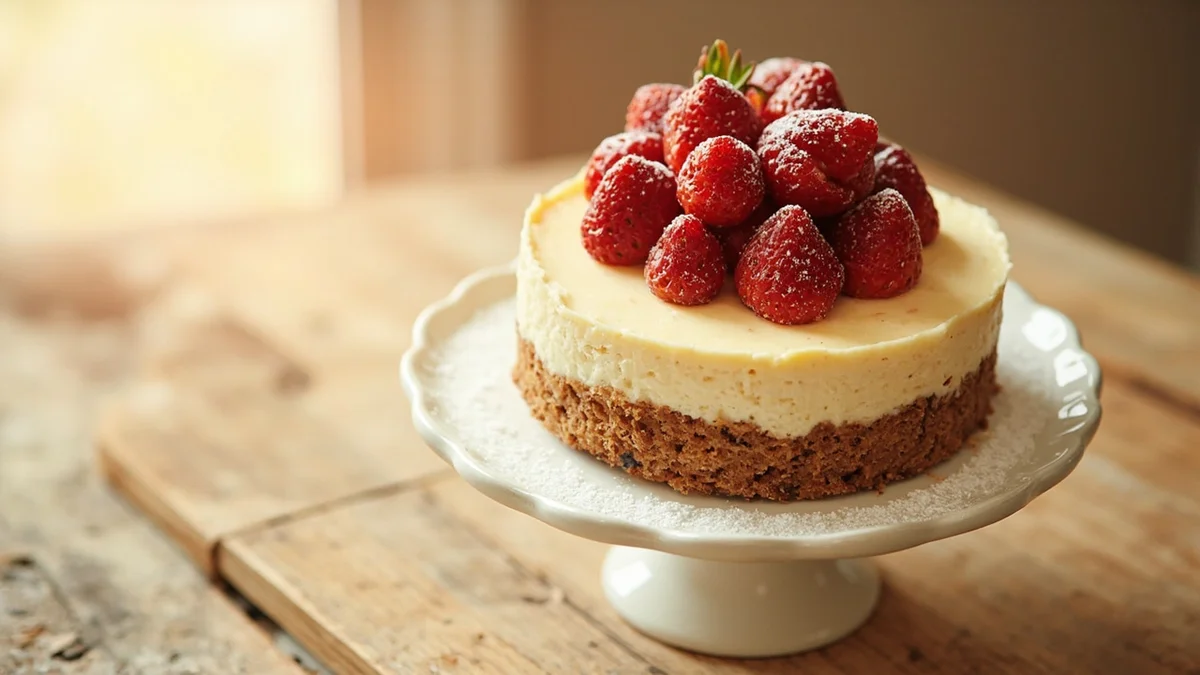
If you’ve ever craved a creamy, dreamy cheesecake but worried about gluten lurking in the crust or fillers, I totally get it. When our boys were first diagnosed with celiac disease, dessert options felt limited and uninspiring. Cheesecake was one of those treats I feared was off-limits — mostly because traditional graham cracker crusts aren’t gluten-free. That meant a lot of experimenting in the kitchen until I nailed a crust that’s just as flavorful and crumbly, without the gluten. This recipe has become a family favorite, especially for celebrations when we want something special that’s safe for everyone to enjoy.
Here’s the thing: cross-contamination is a real concern for celiacs, especially with ingredients like graham crackers or crumbs that might be processed in shared facilities. That’s why I always recommend checking products through tools like our /is-it-gluten-free/ checker before buying. It can save you a ton of worry and keep your kitchen safe.
This creamy gluten-free cheesecake recipe uses a graham cracker-style crust that’s both simple and delicious, made with trusted gluten-free brands that we trust in our own kitchen. Plus, the filling is velvety with just the right tang and sweetness. Whether you’re new to gluten-free baking or a seasoned pro, I think you’ll find this cheesecake hits the spot for your gluten-free dessert needs.
❤️ Why You’ll Love This Recipe
- Rich, creamy filling that’s perfectly smooth every time
- Crunchy graham cracker-style crust — gluten-free and delicious
- Uses trusted gluten-free brands for safe, worry-free baking
- Easy to make ahead for parties or family dinners
- A family-approved dessert that everyone can enjoy
Ingredients & What You Need to Know
The crust is made using a gluten-free graham cracker-style approach with a reliable gluten-free all-purpose flour blend. I recommend Bob’s Red Mill 1-to-1 Gluten-Free Baking Flour because it provides consistent texture and flavor, essential for a crust that holds together without being crumbly or dry. King Arthur Gluten-Free Measure for Measure is another great option if you prefer a slightly lighter crumb. For the cream cheese filling, full-fat cream cheese is key to getting that luscious, velvety texture. Avoid low-fat versions as they can make the texture a bit grainy. We use real vanilla extract and fresh lemon juice to brighten the flavor without overpowering it. Don’t skip the sour cream or Greek yogurt in the filling—they add moisture and a pleasant tang that balances the sweetness wonderfully. Butter is essential in the crust to give it that rich, buttery taste and to help bind the crumbs. Make sure it’s melted but not hot when mixing to avoid greasiness.
🔄 Substitutions & Swaps
- Dairy-free: Replace butter with coconut oil or vegan butter, use dairy-free cream cheese and coconut yogurt instead of sour cream
- Egg-free: Use flax eggs (1 tbsp ground flaxseed + 3 tbsp water per egg) but expect a slightly denser texture
- Sugar-free: Substitute granulated sugar with a granulated erythritol blend like Swerve, adjusting sweetness to taste
- Crust alternative: Use crushed gluten-free digestive biscuits or almond flour mixed with butter for a nutty crust
- Sour cream substitute: Plain Greek yogurt works well for a tangy flavor and creamy texture
Gluten-free cheesecake can sometimes be tricky because the texture depends a lot on the crust and the balance of moisture in the filling. Using a trusted gluten-free flour blend or ready-made gluten-free graham cracker crumbs helps create a crust that holds together well without crumbling apart. The fat content from butter is essential here—it binds those crumbs and adds flavor.
One common mistake I see is overbaking. The cheesecake should still jiggle a bit in the center when you take it out; it will firm up as it cools. This helps avoid that dry, cracked top. Letting the cheesecake cool gradually inside the slightly open oven also reduces cracking and helps retain moisture.
Serving suggestions? Our boys love it plain with fresh strawberries or a drizzle of homemade raspberry sauce. You can also top it with toasted almonds or a sprinkle of cinnamon for extra flair. Pair it with a cup of coffee or a light dessert wine for something grown-up. Trust me on this one: the simple things often make the best memories around the table.
How to Make Gluten-Free Cheesecake
💡 Pro Tips Before You Start
- Make sure the cream cheese is room temperature for the smoothest filling—no lumps!
- Avoid overmixing the batter once eggs are added to prevent cracks during baking
- Use a water bath if you want an ultra-smooth texture and to minimize cracking
- Chill the cheesecake overnight for the best flavor development and texture
- When slicing, warm your knife under hot water and wipe it clean between cuts for perfect slices
🗄️ Storage & Make-Ahead
- Room Temperature: This cheesecake should not be left out at room temperature for more than 2 hours due to the dairy content. Always store it chilled.
- Refrigerator: Store in an airtight container or cover tightly with plastic wrap. It will keep fresh in the fridge for up to 5 days.
- Freezer: Wrap the cheesecake tightly in plastic wrap and aluminum foil or place it in a freezer-safe container. Freeze for up to 2 months. Thaw overnight in the fridge before serving.
- Reheating: Cheesecake is best served chilled or at room temperature. Avoid reheating as it can affect texture.
-
1 1/2 cups gluten-free graham cracker crumbs (we use Kinnikinnick GF Graham Style) -
1/4 cup granulated sugar -
6 tbsp unsalted butter, melted -
24 oz (3 blocks) full-fat cream cheese, softened -
1 cup granulated sugar -
1 cup sour cream or plain Greek yogurt -
3 large eggs -
2 tsp pure vanilla extract -
1 tbsp fresh lemon juice -
1/4 tsp salt
-
1Preheat and Prep
Preheat your oven to 325°F (163°C). Grease a 9-inch springform pan with butter or non-stick spray, then line the bottom with parchment paper for easy removal. -
2Make the Crust
In a medium bowl, combine the gluten-free graham cracker crumbs, sugar, and melted butter. Stir until the mixture resembles wet sand. Press the crumbs evenly into the bottom of the prepared pan, pressing firmly to create a compact crust. -
3Bake the Crust
Bake the crust for 10 minutes until set and slightly golden. Remove from the oven and let it cool while you prepare the filling. -
4Prepare the Filling
In a large bowl, beat the softened cream cheese with an electric mixer on medium speed until smooth and creamy, about 2-3 minutes. Gradually add the sugar and continue beating until well combined. -
5Add Wet Ingredients
Mix in the sour cream, eggs (one at a time), vanilla extract, lemon juice, and salt. Beat on low speed just until combined — avoid overmixing to prevent cracks. -
6Bake the Cheesecake
Pour the filling over the cooled crust. Bake for 55-60 minutes until the edges are set but the center still jiggles slightly when you gently shake the pan. -
7Cool and Chill
Turn off the oven and leave the cheesecake inside with the door slightly ajar for 1 hour. Then remove and cool completely on a wire rack before refrigerating for at least 4 hours or overnight. -
8Serve
Run a knife around the edges before releasing the springform pan sides. Slice with a sharp knife dipped in hot water for clean cuts. Serve plain or topped with fresh berries or your favorite gluten-free fruit sauce.
Calories
Protein
Carbs
Fat
Fiber
Sugar
Sodium
Nutrition is estimated using a food database. Values may vary based on the specific brands and ingredients you use.
Frequently Asked Questions
Is Gluten-Free Cheesecake with a Graham Cracker-Style Crust gluten-free?
Yes! This recipe uses gluten-free graham cracker crumbs and certified gluten-free ingredients, making it safe for those with celiac disease or gluten intolerance. Always double-check ingredients with a gluten-free checker for cross-contamination risks.
Can I make Gluten-Free Cheesecake dairy-free?
Absolutely. You can swap butter for coconut oil or vegan butter, use dairy-free cream cheese alternatives, and substitute sour cream with coconut yogurt or a similar plant-based option.
Why did my cheesecake turn out cracked?
Cracks often happen when the cheesecake is overbaked or cooled too quickly. To avoid this, bake until the center jiggles slightly, then cool gradually with the oven door ajar before refrigerating.
Can I freeze Gluten-Free Cheesecake?
Yes, cheesecake freezes well. Wrap it tightly in plastic wrap and foil or use a freezer-safe container. Thaw overnight in the fridge before serving for best texture.
What gluten-free flour works best for this cheesecake crust?
Bob’s Red Mill 1-to-1 Gluten-Free Baking Flour is my top pick for consistent results. King Arthur Gluten-Free Measure for Measure is a great alternative if you want a lighter crumb.
I hope this gluten-free cheesecake recipe becomes a staple in your kitchen like it has in ours. Baking safe and delicious desserts for our boys has been such a rewarding journey, and I’m thrilled to share all the little tips and trusted brands that make it work. If you loved this recipe, be sure to explore more gluten-free goodies on LetsGoGlutenFree.com or use our /is-it-gluten-free/ checker to keep your pantry safe and your meals stress-free. Happy baking from our family to yours!
We’d love to hear how it turned out! Leave a comment and a star rating below — your feedback helps other readers and means the world to us.
Rate This Recipe
Did you make this? We'd love to hear how it turned out!