
On this page
By now, you’ve no doubt seen “gluten-free” on everything from granola bars to bottled salad dressing. But if you’re a gluten newbie, it’s not weird to ask, “What the heck is gluten?”
If you’re adjusting to a medical diagnosis, exploring gluten-free living for your family, or simply curious what the label means, our guide is here to spell it out in plain English with easy to understand answers to the questions that most people have about gluten.
This guide explains what gluten is, where it turns up, why some people need to avoid it, and how to help the whole family feel more confident around food. Start with The Gluten Lab, then read the full guide below.
THE GLUTEN LAB
Meet The Stretch
In Your Bread.
Gluten is a family of proteins found in wheat, barley and rye.
Explore how the proteins in wheat help dough come together.
Wheat Dough · Simplified Model
A LITTLE UNDERSTANDING GOES A LONG WAY
An Aha Moment
Worth Sharing.
Turn your discovery into a simple visual
to share with someone you know.
THE READABLE VERSIONSmall Proteins. A Big Difference.
Start With The Grain
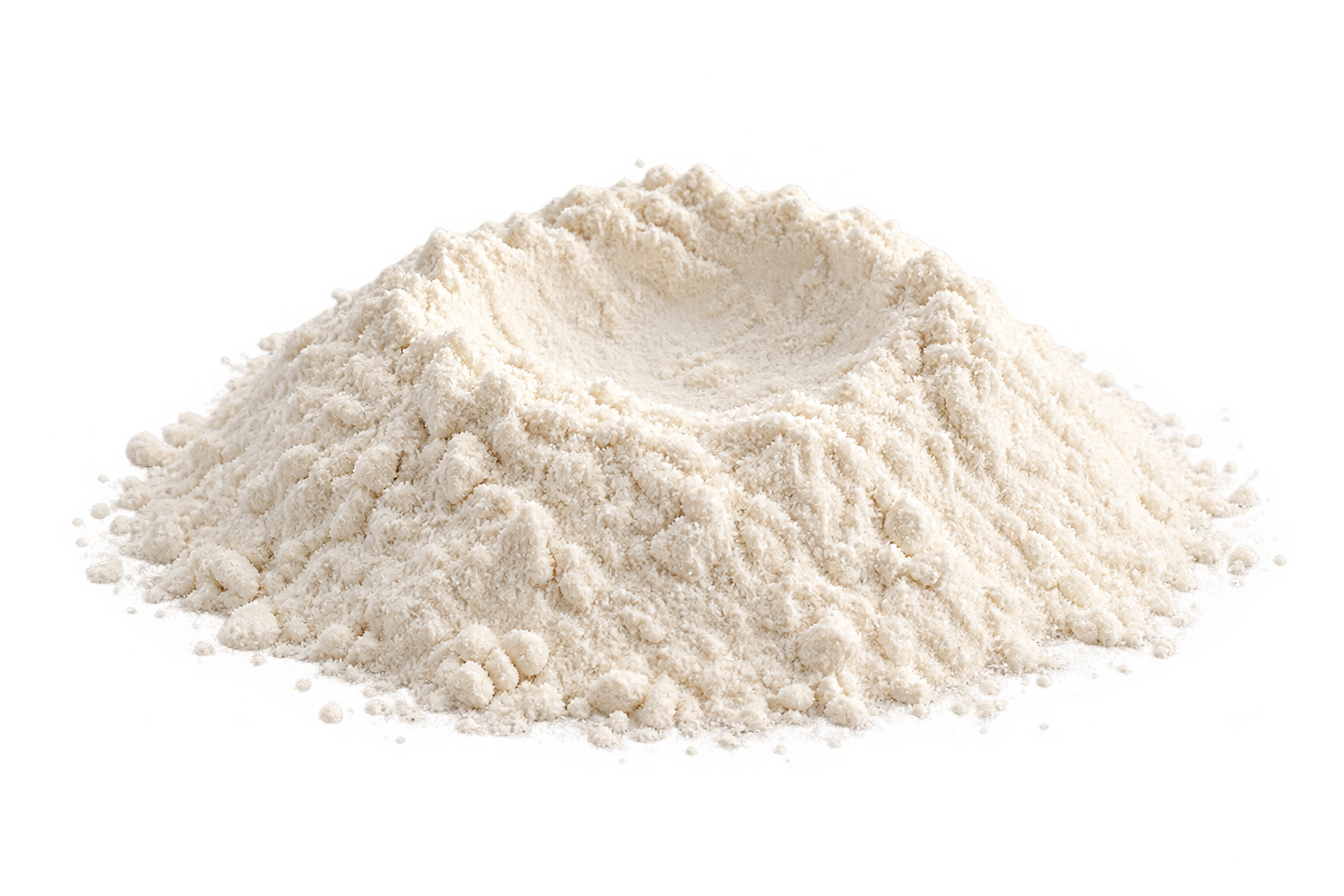
Gluten is a collective name for proteins in wheat, barley and rye. This lab uses wheat as its example. Wheat flour contains starch and other components as well as proteins.
Give The Network A Helping Hand
Adding water and mixing helps wheat’s gluten proteins form a network. This is a simplified explanation of structure, not a recipe, a hydration ratio or a mixing-time calculator.
Stretch And Hold
That network helps dough stretch and hold gas bubbles. Leavening, such as yeast, produces the gas. Gluten does not make the gas itself.
Structure Without Gluten
Gluten-free recipes can create structure in other ways. Starches and ingredients such as xanthan gum can help with binding. Different recipes need different combinations and methods.
Curious about gluten and health? Explore how different bodies respond
Gluten 101: The Basics
Before we start talking labels and lifestyle swaps, we need some clarity on what gluten is, and where it’s found.
Getting Started: Your Gluten-Free Action Checklist
- Read ingredient labels carefully every time you shop.
- Replace wheat, barley, and rye with gluten-free grains like rice and quinoa.
- Set up a separate gluten-free area in your kitchen to avoid cross-contact.
- Follow your clinician’s gluten-free plan if you have celiac disease; gradual reduction is not a substitute for strict avoidance.
- Use ingredient resources to help you research foods, then check the current package and preparation. A food checker is not a safety certification.
What Is Gluten?
Gluten is a collective name for proteins in wheat, barley and rye, including related grains such as triticale. Wheat varieties such as spelt also contain gluten. Flour contains starch as well as protein; the two are not the same thing. NIDDK’s gluten-free eating guide explains which grains to avoid for celiac disease.
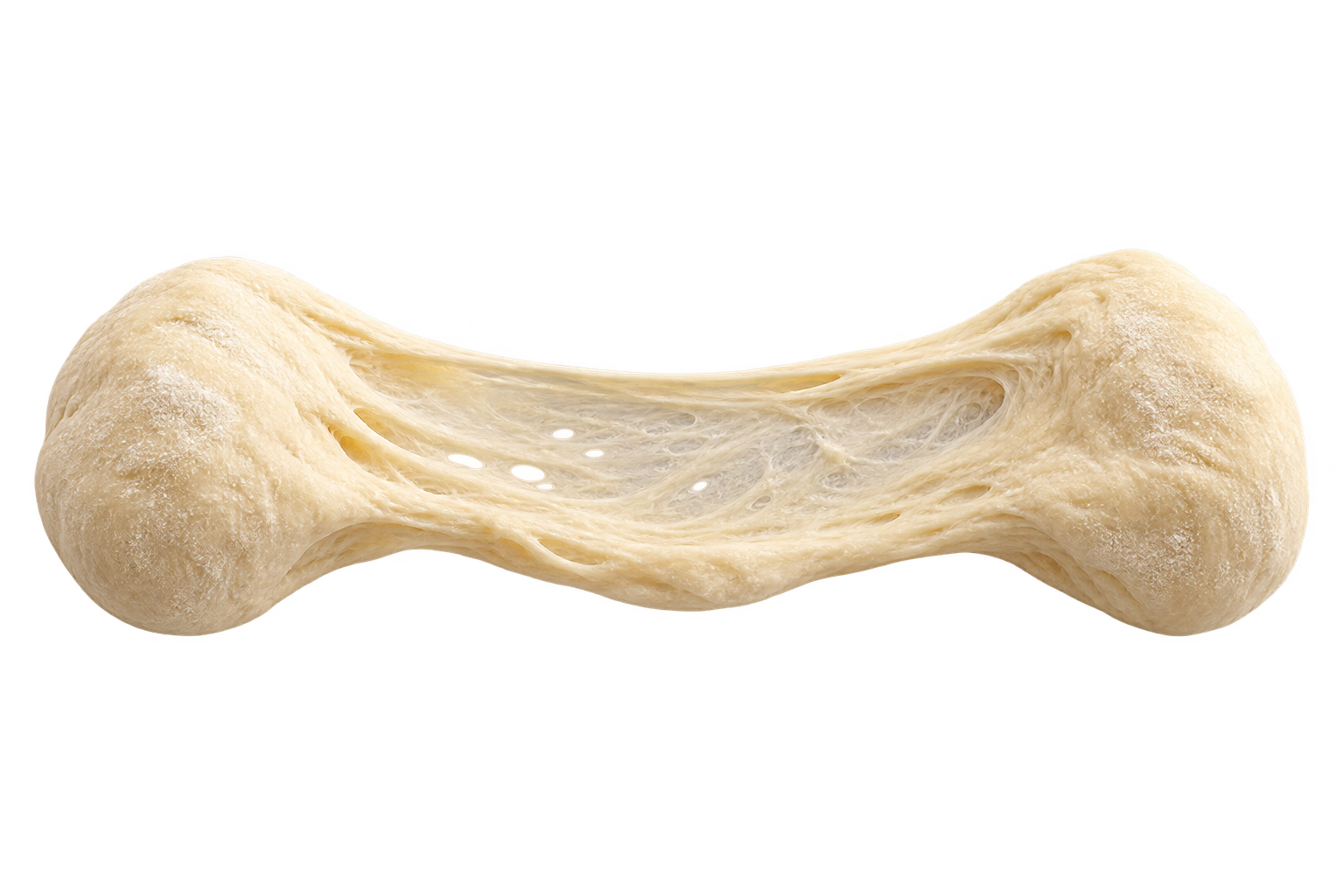
When wheat flour is mixed with water, its gluten proteins can form a network that helps dough stretch and hold gas bubbles. Gluten-free baking can build structure in other ways, using starches and binding ingredients; it does not have to fall apart. The lab illustrates that difference.
Your first 30 days gluten-free, one step at a time
A simple day-by-day plan from Katie, with a label-reading cheat sheet and a pantry restocking checklist.
Where Is Gluten Found?
You’ll usually find gluten in the following:
- Bread, pasta, and crackers
- Cakes, cookies, and pastries
- Cereal and granola
- Pizza crusts and pancakes
But that’s not all! Gluten can also show up in the places that you’d never think it would, like soy sauce, salad dressings, soups, and flavored snacks. That’s why learning to read labels is such a big deal (and we’ll get into all of that later).

Why Do People Avoid Gluten?
Gluten isn’t something that everyone needs to cut out, but there are a few really important reasons why people don’t consume it.
Celiac Disease
Celiac disease is a chronic immune disorder in which eating gluten damages the small intestine. Its management includes a lifelong gluten-free diet and attention to cross-contact, even when symptoms are absent. Read NIDDK’s explanation of celiac disease.
Gluten Sensitivity Or Intolerance
Non-celiac gluten sensitivity can involve symptoms such as abdominal pain and fatigue, without the small-intestinal damage seen in celiac disease. It is a different condition, not simply a milder form of celiac disease. Clinicians first consider celiac disease and other possible causes; feeling better after a diet change does not establish a diagnosis. MedlinePlus explains the distinctions.
Wheat Allergy
Wheat allergy is an allergic reaction to wheat proteins. It differs from celiac disease and can cause serious reactions, including anaphylaxis. Follow an allergist’s avoidance and emergency plan; a gluten-free label alone does not establish that a food is suitable for every person with wheat allergy. Learn about wheat allergy from ACAAI.
Lifestyle Choice
Some people choose gluten-free eating without a diagnosed condition. A balanced diet is still important, and persistent symptoms deserve medical evaluation. If you are considering a dietary trial because of symptoms, discuss testing first rather than assuming gluten is the cause.
How To Explain Gluten To Kids
If your child is gluten-free, or has a friend or a classmate who is, it helps to have a simple explanation at the ready. Confusion can cause them to worry or have some awkward moments at lunch, so keeping it clear and low-pressure really helps.
What’s the best way to explain it?
“Gluten is a protein in some grains. It helps dough stretch. Some people need foods without gluten to stay healthy, and there are lots of foods they can enjoy.”
You can also help your child practice explaining their needs at birthday parties or school lunches. Phrases like “I need gluten-free food to stay healthy” or “I bring my own snacks” are simple options. For children with celiac disease, the need to avoid gluten does not depend on whether it causes noticeable symptoms.
And always remind them: eating differently doesn’t make them weird in any way, shape or form. It just means that they’re taking care of themselves.
Is Gluten Bad For Everyone?

Gluten is not inherently harmful to everyone. The reason for avoiding it depends on the person’s health and diagnosis.
For people without celiac disease or another gluten-related condition, avoiding gluten has not been shown to improve general health. A gluten-free diet can meet nutritional needs, but planning matters: removing foods without suitable replacements can leave gaps in fiber and nutrients. NIDDK discusses nutrition and gluten-free diets.
If symptoms are prompting a change, speak with a clinician about celiac testing first. A registered dietitian can help you plan a varied gluten-free diet when one is needed.
What Foods Are Naturally Gluten-Free?
There are a whole lot of foods that don’t contain gluten to begin with, and that makes starting a gluten-free lifestyle much less intimidating or restrictive than it seems at first.
These foods are naturally gluten-free in their plain forms. Added ingredients and preparation can change that, so check packaged foods and prevent cross-contact:
- Fruits and vegetables
- Meat, poultry, and fish (unbreaded and unseasoned)
- Eggs, beans, and lentils
- Dairy products (if tolerated)
- Rice, corn, quinoa, millet, and buckwheat
For children, snack ideas include the following, with labels checked and any other food allergies taken into account:
- Apple slices with nut butter
- Cheese sticks
- Plain popcorn, or packaged popcorn labeled gluten-free
- Gluten-free crackers or cookies
- Yogurt (check the label)
How To Check If A Product Has Gluten
For U.S. packaged foods regulated by the FDA, use the gluten-free claim, the ingredient list and any allergen information together. Our food-label guide walks through the process.
- Look for a gluten-free claim. FDA-regulated foods labeled “gluten-free” must meet the rule’s ingredient requirements and contain less than 20 parts per million of gluten. Certification programs may add their own requirements; certification is not a guarantee about every preparation or serving situation.
- Read the ingredient list. Watch for wheat, barley, rye and ingredients such as barley malt. “Wheat-free” does not mean gluten-free. Do not assume that an ingredient called modified food starch necessarily contains gluten; identify its source and use the full label.
- Check how allergens are declared. Wheat allergens must be identified in the ingredient list or a “Contains” statement; a separate “Contains” statement is not required on every product. Barley and rye are not on the U.S. major-allergen list, so that statement alone cannot identify every gluten source. Some qualifying gluten-free foods can use wheat-derived ingredients processed to remove gluten, so gluten-free and wheat-free are different claims. People with wheat allergy need to follow their allergy plan.
- Understand precautionary wording. “May contain” and shared-facility statements are voluntary. Their absence does not prove that cross-contact cannot occur, and their presence does not state a measured gluten amount. If the label leaves you uncertain, contact the manufacturer or choose a clearly suitable alternative.
Read the FDA’s gluten-free labeling explanation and its guidance on allergen statements. These U.S. rules do not cover every food or every country.
Oats need a separate check: choose oats labeled gluten-free, and discuss including them with your clinician or dietitian if you have celiac disease. Cross-contact with gluten-containing grains is common, and individual tolerance matters.
Starting A Gluten-Free Journey As A Family
Plan meals around foods that meet your household’s dietary needs, then choose suitable gluten-free pantry swaps. If someone has celiac disease, each meal needs to be gluten-free from the start; gradual reduction is not the treatment.
Here’s what helps:
- Try rice noodles or chickpea pasta labeled gluten-free; some products blend several grains.
- Try gluten-free bread or use lettuce wraps for sandwiches
- Choose naturally gluten-free snacks such as fruit or plain popcorn, checking any added ingredients.
- Get kids involved in picking recipes and helping cook
- Focus on what you can eat, not what you can’t
When dining out, ask staff how they prevent cross-contact during preparation and serving. A gluten-free menu item alone does not tell you how it was prepared. Ask specific questions and follow your individual dietary plan.
Common Questions From Beginners
Hi, newbies! We’re so glad you’re here. Got questions? We have some answers for all of you who are still in the learning phase.
Can You Be A Little Gluten-Free?
For celiac disease, the treatment is a strict, lifelong gluten-free diet. Occasional gluten or gradual reduction is not an alternative. For a different diagnosis, follow your clinician’s advice about what to avoid.
What Happens If I Eat Gluten By Mistake?
Symptoms vary by person and condition. In celiac disease, a lack of noticeable symptoms does not establish that an exposure was harmless. Contact your clinician for advice about significant or persistent symptoms; if you have wheat allergy, follow your prescribed emergency plan for a reaction.
Can Pets Have Gluten?
Ask your veterinarian whether gluten-free food is appropriate for your pet’s individual dietary needs or digestive symptoms. Keep pet food and feeding utensils away from gluten-free food preparation areas, and wash your hands after handling pet food that contains gluten.
How Do I Explain Gluten-Free To Others?
Keep it short and sweet. Try: “I avoid gluten because it makes me sick” or “It’s part of how I take care of my health.”
Make Gluten-Free Choices With More Confidence
Understanding what gluten is and how it affects some people is the first step, and that step will make you much more confident in your food choices, no matter if you’re making a full family change or just supporting someone who is living that gluten-free life.
You do not have to learn everything at once. Start with the grains that contain gluten, a reliable label-reading routine, and practical steps to prevent cross-contact. Get individual advice when a diagnosis or persistent symptoms are involved.