

On this page
You have finally gotten a diagnosis. Maybe your pediatrician figured it out immediately, or it took much longer with many docs and specialists to get where you are, but here it is: your child has to be gluten-free. Maybe it’s a celiac diagnosis, maybe it’s a gluten sensitivity that’s been making them miserable, or maybe it’s a wheat allergy. Whatever the reason may be, the second that you hear those words, your brain will be overloaded with thoughts like, “What can they eat? Oh no, what about birthday parties? School? Restaurants? Do I have to throw away everything that’s in our kitchen?”
As the parents of a gluten-free child, we have been there. Trust us, we were in panic mode. And although it feels insurmountable at first, it does get easier. Like, way easier. When you get the hang of it, you’ll be tossing your fav brands into that shopping cart without a second thought, know at least 10 go-to meals, and be able to sniff out gluten like a pig sniffs out truffles. And the most important thing of all? Your kiddo will be happy, healthy, and well-fed, and you won’t lose your marbles in the process.
Because we wish we had someone to walk us through this all when our journey first began, we’re going to share our hard-earned knowledge with you about everything we’ve learned: how to set up your home, handle school and social events, make mealtime way less stressful, and hold onto your sanity.
Understanding Gluten-Free Living
When you first find yourself on this road, it really helps to understand exactly why your child has to be gluten-free. Growing up, we didn’t even know what gluten was! But times have changed, and we now know that gluten is a protein that’s found in wheat, barley, and rye, and for a lot of kids, it’s the root of all sorts of misery. If your child suffers from celiac disease, eating gluten can damage their intestines and cause pain, malabsorption, and possible long-term health problems. If they have a gluten sensitivity, that can mean tummy aches, fatigue, and a host of other frustrating symptoms. And if it’s a wheat allergy? Well gluten exposure can cause severe allergic reactions.
Your Gluten-Free Starter Checklist
- Clear out gluten-containing foods from your kitchen or create a separate gluten-free zone.
- Stock up on trusted gluten-free staples like rice, potatoes, gluten-free flours, and snacks.
- Learn to read ingredient labels carefully every time you shop.
- Talk to your child’s school about their gluten-free needs and emergency plans.
- Prepare a few easy, kid-approved gluten-free meals to reduce mealtime stress.
- Join a local or online gluten-free support group for ongoing encouragement.
No matter what the reason is, strict avoidance is the goal—but we want to clear up a super common misconception: this isn’t the latest trendy diet. Your child has to eat this way for their health, not because gluten-free everything is having its moment on social media. And yes, people will question it, so be ready to educate family members, teachers, and random restaurant servers who will try to tell you, “Aw, a little gluten won’t hurt them.” Wrong! It absolutely will.
Stocking Your Home for Success
The first step in making gluten-free life easier? A kitchen that’s actually safe for your child. Here’s how to set things up so that you’re not having daily panic attacks over cross-contamination!
Building a Gluten-Free Pantry
Gluten-free living means rethinking all of your staples. Swap out regular pasta for rice or chickpea versions, load up on safe breads (this is trial and error: not all gluten-free ones are edible), and keep lots of snacks on hand so you’re never caught off guard. Below are some of our must-haves:
- Gluten-free flour blends (because at some point, you will probably attempt to make homemade cookies).
- Certified gluten-free oats (regular ones can be cross-contaminated).
- Safe snacks like crackers, granola bars, and pretzels.
Avoiding Cross-Contamination
It’s not only what your child eats—it’s also how that food is prepared! These are the things that you should change right away:
- Get a separate toaster for gluten-free bread (we aren’t joking; crumbs are a worthy enemy).
- Use different cutting boards and utensils for gluten and gluten-free foods.
- Store gluten-free foods on separate shelves or in their own containers.
Reading Food Labels
Gluten is hiding in the weirdest places—soy sauce, licorice, and some vitamins! Get into the habit of reading labels every time you shop, even on brands you trust (because recipes do change). If you see words like malt, modified food starch (unless specified gluten-free), or “natural flavors” without clarification? Assume it’s unsafe for your kiddo.
Meal Planning
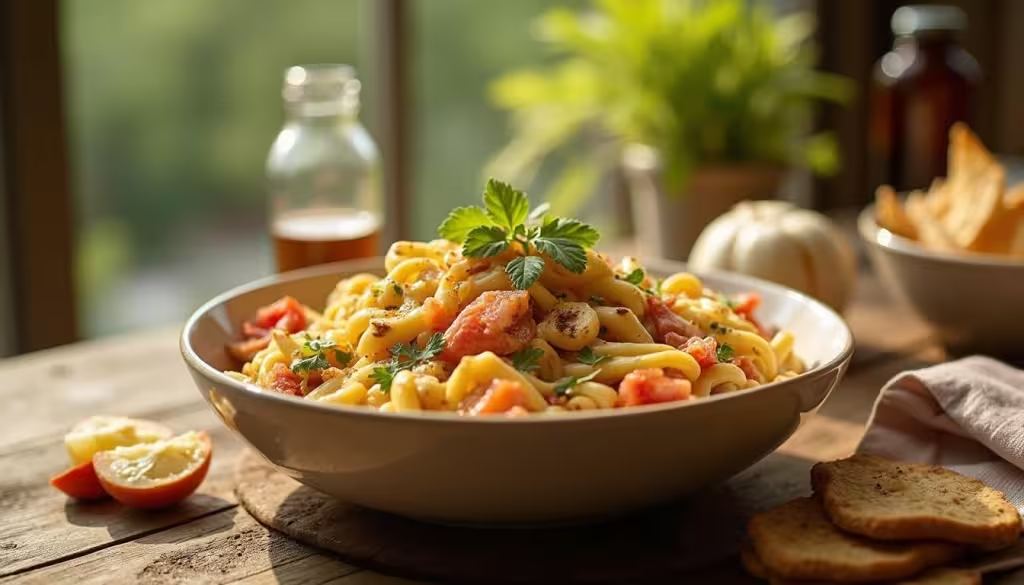
We aren’t being dramatic when we tell you that having a list of reliable meals is actually lifesaving. Pick five easy dinners that your child loves (or at least likes and will eat), rotate them, and call it a night. Tacos with corn tortillas, stir-fries with rice, baked chicken with roasted potatoes—you get the idea. You don’t have to make a gourmet gluten-free feast every night!
Navigating Social Situations and School
One of the hardest parts of raising a gluten-free child is other people. Kids’ birthday parties, playdates, school lunches—all of these situations can turn into stress-fests if you’re not ready.
Talking to Teachers, Caregivers, and Family
You don’t have to give a 20-minute lecture on gluten, but you do need to make sure the people around your child understand that gluten-free isn’t an optional thing. Keep it simple so they understand, and say, “Even a little gluten can make them sick, so please don’t give them anything unless I’ve checked it first.”
Handling Parties and Playdates
Is there anything more brutal than watching your kiddo sit at a party while everyone else eats cake? That’s why you should bring a safe cupcake or cookies so that they don’t feel left out. And don’t be scared to text the host in advance. A lot of parents are amazing about accommodating food allergies (they may even have a child who has a gluten intolerance), and then there are those who will nonchalantly say, “Oh, I’m sure there will be something they can eat.” Assume nothing.
School Lunch Hacks
If your kiddo is bringing lunch, keep it simple! Here are some of our go-to easy ideas:
- Turkey and cheese roll-ups with gluten-free crackers.
- Pasta salad with veggies and a safe dressing.
- Hard-boiled eggs, fruit, and yogurt.
And if their school provides lunch? You can work with them to guarantee that your child has safe options. A lot of children have food allergies, so some schools are great, but others? Not so great. That’s why you should always have a backup plan!
Dining Out Without Stress
If the thought of eating out at a restaurant gives you anxiety, that’s fair and totally normal! Yes, it feels like an unnecessary risk, but once you find the safe spots? You can dine out safely!
How to Find Gluten-Free Friendly Restaurants
Apps like Find Me Gluten Free will save you from “Where can we go out to eat?” stress. Look for the places with dedicated gluten-free menus or, even better, entirely gluten-free kitchens!
Talking to Restaurant Staff
Make it super clear: “It’s a medical necessity, not a preference.” This is not a debate or a matter of opinion! Ask if they have a dedicated fryer (because fries cooked in the same oil as breaded items = not safe), and don’t be afraid to walk out if they appear to be clueless or you don’t trust that they’ll follow your instructions.
Always Have a Backup Snack
As the saying goes, “Man plans, and God laughs.” No matter how well you have planned your restaurant outing, something will go wrong. Keep a granola bar or a bag of safe pretzels in your car or bag at all times!
Making Gluten-Free Fun and Inclusive
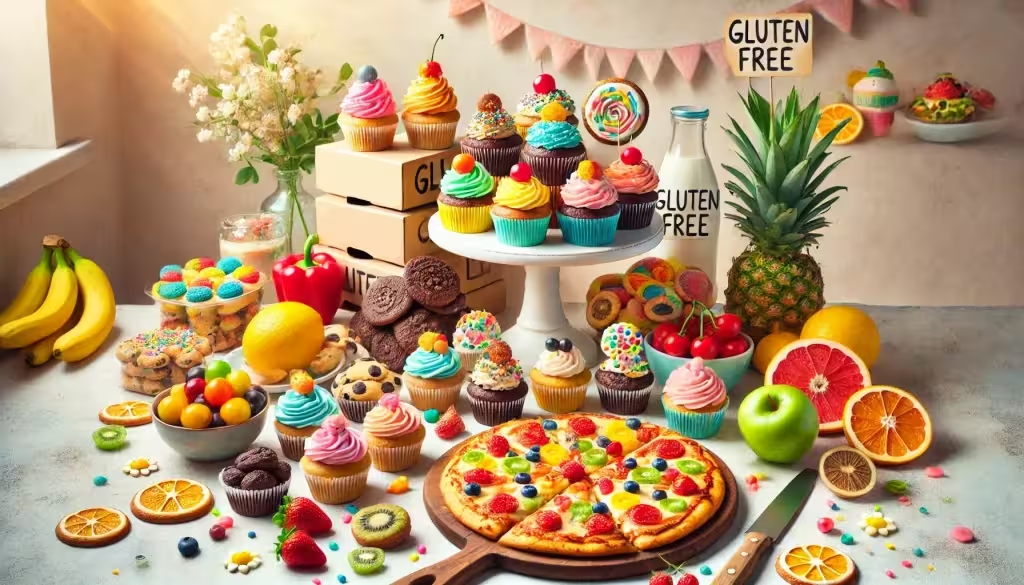
Kids want to eat what their friends are eating but that’s not a bad thing for us parents! Why? Because there are gluten-free versions of pretty much everything.
Get Your Kiddo In The Kitchen
Most kids love to help out, so wrangle them into the kitchen and enlist them as your #2 chefs! They can help with making gluten-free pizza, cookies, or mac and cheese. The more they feel that they’re in control, the less “different” they’ll feel. And it’s also fun and a great way to spend quality time with them!
Find Gluten-Free Swaps for Their Favorites
Test out different brands until you find the ones that your kid loves—because some are delicious and others taste like cardboard.
Join Gluten-Free Communities
Support groups (both in-person and online) can make this journey a lot less lonely. Other parents can give you great advice—and even better gluten-free snack recs.
Here are our tried and tested resources for parents:
- Gluten Intolerance Group (GIG) Support Groups: This nonprofit has local support groups across the U.S. and overseas that help families negotiate the gluten-free lifestyle without losing their minds. GIG connects you with people who get it—from sharing shopping tips to venting about cross-contamination disasters. Check their site to find a group near you. (gluten.org)
- Celiac Disease Foundation: A go-to resource for parents who are managing celiac disease. They have virtual education, research updates, and a directory to help you find doctors who actually understand gluten-related issues. This is a solid place to start if you’re feeling lost. (celiac.org)
- Celiac.com Forums: This is like a giant group chat where people swap gluten-free survival tips. If you’re looking for safe brands, travel advice, or just need to rant about how gluten hides in almost everything, this forum is full of helpful people who’ve been there. (celiac.com)
- New York City Celiac Disease Meetup: Even if you don’t live in NYC, this group is worth checking out for inspiration. They organize gluten-free meetups, restaurant outings, and events that make life easier (and tastier) for gluten-free families. Some events are local, but their online community is helpful no matter where you are. (Meetup)
- Schär’s Guide to Celiac Disease Support Communities: Schär (one of the best gluten-free brands out there) put together a super helpful guide on where to find local and online support groups. (Schär)
If you’re feeling like it’s all too much, connecting with other parents and gluten-free families makes a huge difference. No one should have to figure this out alone!
Maintaining Your Sanity as a Parent
- Give Yourself Some Grace: You will accidentally feed your kid something with gluten at some point. It’s okay. We promise.
- Simplify Mealtime: Pick a few easy meals and stick to them—less decision-making = less stress.
- Focus on What They Can Eat: There are tons of delicious gluten-free foods. Make those the focus instead of what’s off-limits.
Conclusion: You’ve Got This!
We aren’t saying that it’s going to be easy—it won’t be all of the time. But soon (hopefully, living that gluten-free life will just be a reflex. As Kris Jenner would say, “You’re doing amazing, sweetie!” So be prepared, never stop learning, and remind yourself that you are doing a wonderful job making sure that your child is happy and healthy. It’s not always a cakewalk (gluten-free cake, obviously), but you are more than capable, and you’ve got this!